Exploring South Africa’s Heritage Through Language and Culture
The Rich Tapestry of South African Languages
South Africa is renowned for its remarkable diversity, not just in landscapes and wildlife, but in its cultural and linguistic heritage. Known as the "Rainbow Nation," South Africa boasts 11 official languages, each reflecting a unique cultural identity and history. This linguistic diversity is central to understanding the country’s complex social fabric.
The major languages include Zulu, Xhosa, Afrikaans, and English, among others. Each language carries with it a rich history and tradition, offering a glimpse into the varied cultural narratives that have shaped the nation. Understanding these languages is a step toward appreciating the depth of South African heritage.

The Role of Indigenous Languages
Indigenous languages like Zulu and Xhosa are spoken by millions and are vital to the cultural identity of their speakers. They are used in daily communication, traditional ceremonies, and storytelling, serving as a bridge between generations. These languages are not only means of communication but also repositories of cultural knowledge and history.
Efforts to preserve and promote these languages are crucial. Educational initiatives and cultural programs are in place to ensure that younger generations continue to speak and cherish their mother tongues. This commitment to linguistic preservation highlights the importance of language in maintaining cultural heritage.
Influence of Afrikaans and English
Afrikaans, derived from Dutch, reflects the colonial history of South Africa. It has evolved into a unique language with its own literary and cultural expressions. Despite its complex past, Afrikaans remains an integral part of South Africa’s linguistic landscape, contributing to the nation's diverse identity.
English, widely spoken across the country, serves as a unifying language in many sectors such as business, education, and government. It facilitates communication in a nation marked by linguistic diversity, playing a crucial role in connecting people from different backgrounds.

Exploring South African Culture Through Traditions
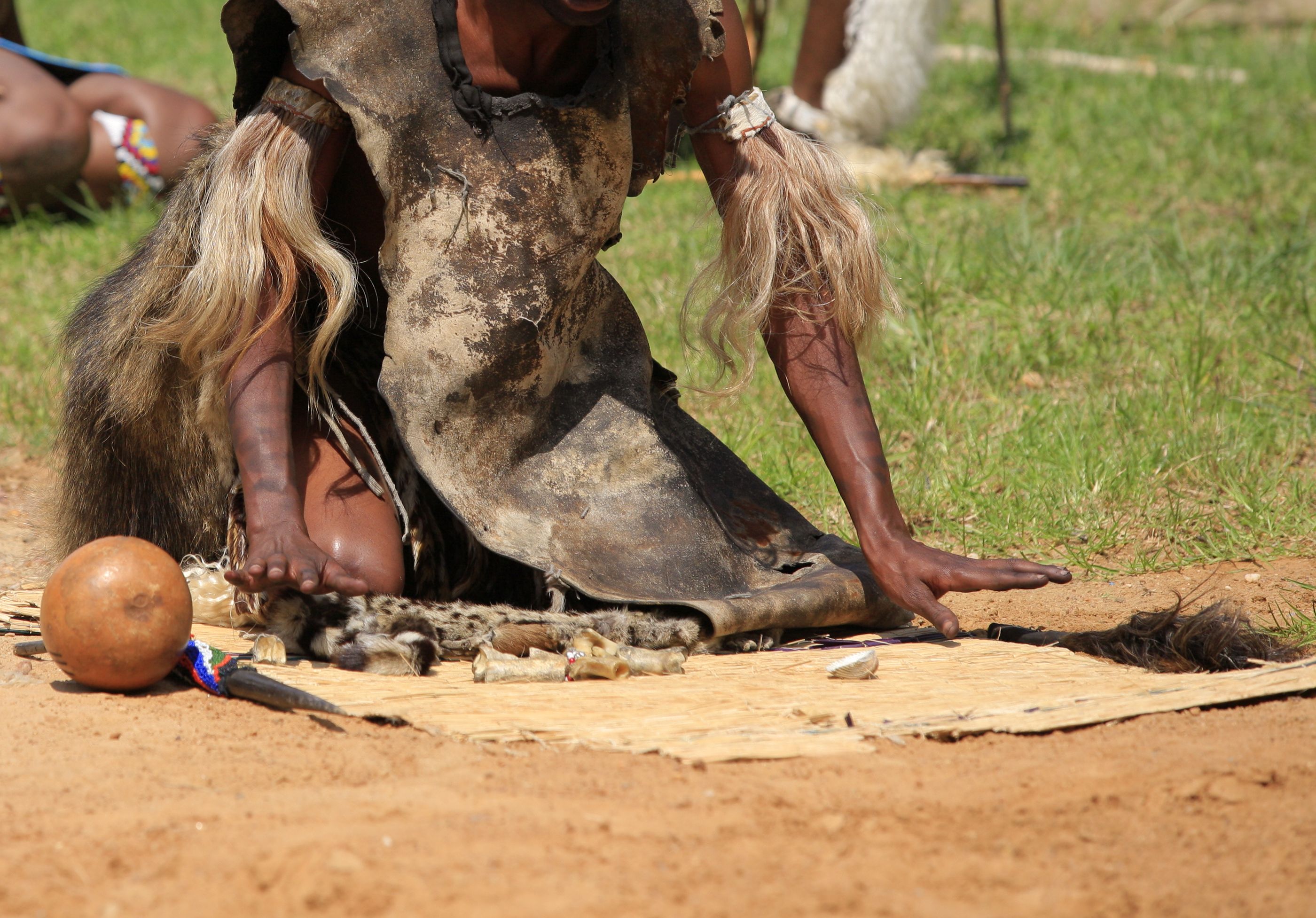
Language is just one aspect of South Africa’s rich cultural tapestry. Traditions and customs vary significantly across different ethnic groups, yet they all contribute to a shared national identity. From the vibrant Zulu dances to the poignant Xhosa initiation rites, these traditions offer a window into the values and beliefs of South African communities.
Cultural festivals and events, such as the Cape Town International Jazz Festival, further highlight the country’s dynamic cultural scene. These gatherings celebrate not only music and art but also the diverse heritage that makes South Africa unique.
Preservation and Celebration
Efforts to preserve South Africa’s cultural heritage are ongoing. Museums, cultural centers, and community initiatives play a vital role in safeguarding traditions and languages. By celebrating and promoting this diversity, South Africans are able to honor their past while building a culturally rich future.
Whether through language, music, or art, exploring South Africa’s heritage is a journey into the heart of what makes this nation truly special. It’s a celebration of diversity, resilience, and unity, bringing people together in ways that transcend language and cultural barriers.